No products in the cart.

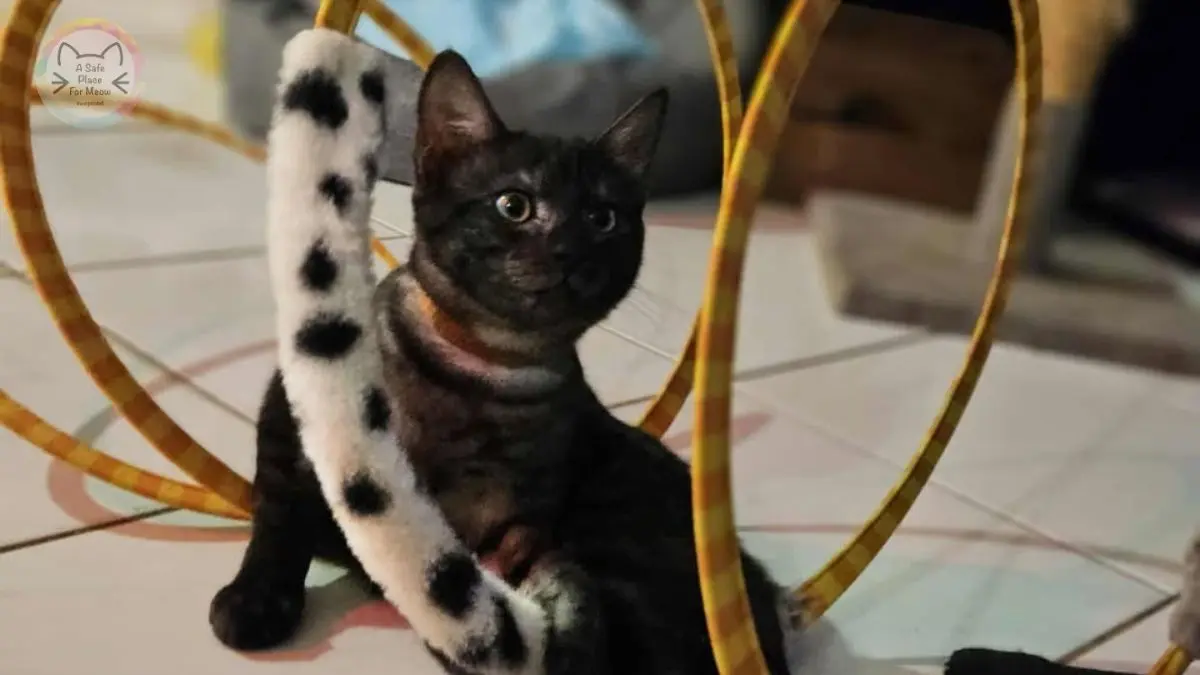
Indoor cats need daily play that keeps both their brain and body busy. Even when the Top End heat hits, a bored cat can become restless, frustrated or a little too creative with their own entertainment.
The good news? Enrichment does not need to be expensive or complicated. Here are five easy, low-cost games you can set up in minutes to help keep your indoor cat active, curious and happy.
Tip: Use what you already have at home. Enrichment does not need to be fancy to be effective.
Move a wand toy or feather teaser low to the ground with quick little darts, pauses and direction changes. Try to mimic the movement of prey so your cat can stalk, chase and pounce.
Short play sessions are great for indoor cats because they keep things exciting without overwhelming or frustrating them.
Why it works:
This game follows a cat’s natural stalk, chase, pounce and catch rhythm. It helps satisfy their hunting instincts and can reduce stress behaviours like over-grooming, restlessness or late-night zoomies.
Little tip: Always let your cat “catch” the toy at the end. It helps build confidence and gives them a satisfying finish to the game.
A Safe Place for Meow is a volunteer-run cat rescue based in Palmerston, supporting Darwin and surrounding NT communities. We bring stray, abandoned and vulnerable cats into care, give them the vet treatment, foster homes and second chances they deserve, and help match them with loving adopters.
Hide six to eight tiny piles of kibble or treats around one room. Try placing them behind boxes, under chairs or on a low shelf where your cat can safely reach them.
Then let your cat sniff them out at their own pace.
Why it works:
Searching for food uses your cat’s sense of smell and problem-solving skills. It turns snack time into a fun little challenge and gives their brain something useful to do.
Level up: Once your cat understands the game, make the hiding spots a little trickier by placing treats farther apart or slightly higher.
Sometimes your cat follows you because they would like some attention, please and thank you.
This might look like walking beside you, meowing, rubbing against your legs, sitting on your lap, or dramatically placing themselves between you and whatever you were trying to do.
If your cat seems bored or restless, they may benefit from more play, enrichment, or gentle interaction. Wand toys, puzzle feeders, scratching posts, climbing spaces, and short play sessions can all help keep their busy little brains occupied.
A few minutes of focused play can make a big difference.
Grab a cardboard box and cut a few entry holes in the sides. Toss in a paper ball, soft toy or crinkly paper and let your cat pounce, peek and patrol their new little fort.
Rotate boxes every few weeks to keep things fresh, then recycle the old ones when they have served their very important cat kingdom duties.
Why it works:
Boxes give cats a safe place to hide, observe, ambush and play. They also support confidence and stress relief, especially for shy or anxious cats.
Place a treat under one of three cups, shuffle them slowly, then let your cat choose. Keep it simple at first and celebrate their wins with praise, gentle pats or another small treat.
Why it works:
This easy puzzle game encourages focus, patience and curiosity. It is a lovely way to add mental stimulation for indoor cats who enjoy variety.
Turn mealtime into a game by serving part of your cat’s dinner in a lick mat, puzzle feeder or clean egg carton.
This slows down fast eaters and gives your cat a chance to work for their food in a safe, rewarding way.
Why it works:
Puzzle feeding supports natural foraging instincts and can help with digestion by slowing down cats who eat too quickly.
Aim for two short play sessions each day, around 3 to 5 minutes each.
In Darwin and the Top End, the cooler parts of the day are usually best. Try playing in the morning or evening when your cat is more comfortable and the house is not too warm.
Short, regular enrichment sessions are often more effective than one long play marathon.
If your cat suddenly loses interest in play, seems stiff, hides more than usual, or has changes in appetite or behaviour, it is worth checking in with your vet.
A change in play habits can sometimes be a sign of pain, stress or an underlying health issue.
Every cat at A Safe Place for Meow benefits from enrichment while they are in care. Play helps rescue cats recover from stress, build confidence, learn to trust and prepare for their future homes.
You can bring that same comfort and joy to your own cat with just a few minutes of playful connection each day.
Every donation, big or small, helps us continue our rescue work. Your support helps provide food, vet care, safe foster homes, toys and enrichment for cats in need.
A quick note: This blog is shared for general education and support only. It is not a substitute for professional advice, including veterinary advice. If you are worried about your cat’s health, behaviour, appetite, toileting, or wellbeing, please contact your local vet.